Earlier this year Dr. McHugh performed his hundredth microscopic vasectomy reversal in the Northeast Georgia Urological Surgery Center. Thanks to all the patients and the dedicated staff that helped make this possible. Here’s to the next one hundred!
No. All vasectomies involve removing a segment and then closing both ends of the vas defens tube. Whether the vasectomy was no needle, no scalpel, or whether the ends were closed with suture, electrocautery, or staples it doesn’t matter. What is seen at the time of the reversal is a scarred area of vas between the testicle and body side of the tube. This segment is removed, the ends resected to clean and pristine tissue and then prepared for the rejoining process. The operative microscope is useful in examining the “freshened” ends of the vas tubes as success rates depend on no residual scar at the point of the repair.
Yes a vasectomy can be reversed with a microscopic vasectomy reversal…but that really isn’t the issue. The real question is if a vasectomy is reversed what are the chances that it will be successful?
The answer is multifactorial and dependent on the age of the male and female, how long ago was the vasectomy done, the reproductive health of the female, the surgical reconnection of the vas deferens staying open after they are rejoined, and finally the quality of the semen produced after the reversal. All of these factors explain why the patency of the procedure (presence of sperm) and the pregnancy (it worked) of the procedure differ.
Yes you can send a boy to college but you can’t make him think
and yes you can lead a horse to water but you can’t make him drink.
Yes you can reverse a vasectomy but that don’t guarantee no baby
It’s about if it will result in success and that my friend is a big maybe!
Reversal Rates Based on the Time Since Vasectomy
Less than 3 years Patency 97% Pregnancy 76%
3-8 years Patency 88% Pregnancy 53%
9-14 years Patency 79% Pregnancy 44%
Greater than 15 years Patency 71% Pregnancy 30%
Belker AM, et al. Results of 1,469 microsurgical vasectomy reversals by the Vasovasostomy Study Group. Journal of Urology 1991; 145(3):505-11.
             Posted on Google        Kevin Restrepo  2026-05-11   Trustindex verifies that the original source of the review is Google. Amazing experience. Quick, easy and painless. Did not even have to use nitrous oxide. Awake the whole time and the doc makes it such a smooth 9 min process.         Posted on Google        Basic Dad Email  2026-05-04   Trustindex verifies that the original source of the review is Google. Great crew. Answered all my questions. Excellent customer service. Provided great follow-up and checking in post op. Glad this is only something you do once. So grateful for their expertise, kindness, and patience.         Posted on Google        Daniel Brown  2026-04-16   Trustindex verifies that the original source of the review is Google. Dr. McHugh is a pro.  He knows his craft well.  Everyone at his office was so professional.   Everything was straightforward with no hassle.  The vasectomy surgery was a snap (pun intended).  And actually almost no pain or complication.  I had a hernia surgery two years ago that was so much worse.  Didn't post pictures for obvious reasons.

Can't recommend him more.         Posted on Google        Casey Shoemate  2026-04-13   Trustindex verifies that the original source of the review is Google. We are thankful we found Dr McHugh when we did to do my husband’s vasectomy reversal. He is a wonderful doctor and Nurse Lacey was such a blessing. It’s obvious Dr McHugh is experienced, loves his family, and wants to give other families their best chance.
I wish it wasn’t so hard to find a good doctor to help bring a life into the world and I feel sad for those who have had to go through what I have to find one.         Posted on Google        Stephen Ferrell  2026-04-12   Trustindex verifies that the original source of the review is Google. Great staff! They make the experience as easy as possible!         Posted on Google        Garrick Richards  2026-04-10   Trustindex verifies that the original source of the review is Google. Best medical experience I have had! The team is amazing and I can confirm why they are highly recommended!! Thanks Megan, Daphne and staff!! My wife is a practice administrator and she was seriously considering poaching some of y’all!! Lol!         Posted on Google        Joseph Tapley  2026-04-06   Trustindex verifies that the original source of the review is Google. Excellent experience.  Very nice people with great knowledge and concern for your needs.  My recovery has been great with no issues.  Thanks again team.  😎😎😎         Posted on Google        Jeff McHugh  2026-03-27   Trustindex verifies that the original source of the review is Google. I cannot recommend Dr. McHugh and his team highly enough. From the moment I checked in to the moment I walked out the door, the entire process was seamless and professional.
The customer service was incredible; the administrative staff made the paperwork easy, and the nurses were absolutely fantastic—personable, reassuring, and clearly experts at what they do.
Dr. McHugh himself was phenomenal. He talked me through the steps, and the procedure was over in a surprisingly short amount of time. I felt zero stress throughout the visit. If you’re considering this procedure, this is the place to go. I’m extremely grateful for the top-tier care I received! -TM         Posted on Google        Jacob Born  2026-03-20   Trustindex verifies that the original source of the review is Google. The experience was great. This was something I dreaded doing but these guys made the experience a breeze. I will recommend to anyone who will listen!         Posted on Google        Casey King  2026-03-16   Trustindex verifies that the original source of the review is Google. Dr McHugh and his staff did an amazing job with me and my wife during my reversal. They treated us so well from the beginning to the end. We went to Dr. McHugh because he was the most experienced and happens to be 5 hours away. I’m day 4 right now and am doing well. I will update if the surgery was successful. If the Lord allows we may have another baby. Also, I love the fact that if I have questions I can ask the Dr himself or his lovely staff.
“Mission Accomplished!”
About 2 years ago, my wife went on a girls trip / book club retreat…only to come back with the idea of a vasectomy reversal. Which, you completed promptly.
As of yesterday – mission accomplished!
Success…A Second Time!
Good afternoon!
I know it’s been a couple years, but my husband and I wanted to let you know that God gave us another little blessing and we are so grateful to you for the wonderful job you did on my husband’s reversal in 2022. Here are a couple pics of our sweet lil boy, Hawk David Boaz Hazen… born on December 30, 2024. He was 7 lbs., 29 inches long and a beautiful, healthy blessing! We are so grateful for your helping us finish our family.
With gratitude,
Jared and Candace
New Baby Girl!
Hello Doctor McHugh and Team,
Just wanted to pass along our success story after getting a vasectomy reversal in November of 2023. We were able to successfully conceive in April of 2024. Our baby girl was just born on January 8, 2025. Thank you for great service and precision.
Donald S.
Happy New Year Jasper!
Hello Georgia Vasectomy Reversal!
Checkout our picture of baby Jasper, born October 14, 2024!
I had my reversal done with you all in November of 2023 and we got pregnant quite soon afterwards.
Thank you for a terrific success and happy new year!
Gavin Racz
GA Vasectomy Reversal Success Story | “Grateful”
Good Afternoon!
We are so very excited to say the surgery was a success and we are expecting our baby boy to enter the world on May 20th! We cannot express how extremely grateful we are for the care we received from your team, and the amazing work by Dr. McHugh! We will forever be grateful!
Respectfully,
Savannah Demarais
“It worked!”
Hi Dr. McHugh,
I just wanted to reach out and let you know that the reversal worked for my husband. Meet Brody 7lbs 12oz born October 29. Thank you for everything!!!
Worth the Wait!
On September 30th we welcomed our baby girl almost 3 years to the day of my husband’s vas reversal. We are so blessed to have found your office. Our experience was smooth and wonderful and we couldn’t have done it without you! We will recommend your office to anyone needing a vasectomy or a reversal.
Many thanks,
The Robinson Clan
Congratulations…Twice!
Hey,
Not sure if I ever let you guys know, but the reversal worked and we’ve had 2 babies since then. Picture attached of both of them.
Thanks so much!
Josh D.
Welcome Home!
Good morning!!!!
Just sharing a picture of our sweet girl, Tully Jo Gambrell 🙂
She is a tiny girl. 5 pounds 8 ounces.
Born 5 weeks early but is home now and thriving!!
Vasectomy Reversal Blessings from South Carolina!
We are excited to share the news that Kate and I are expecting a baby, due next summer!! Kate is about 8 weeks pregnant. We are over the moon that the surgery was successful and that we were able to get pregnant so quickly!Thank you so much for your part in our family journey. We are so grateful to you and your team for everything you have done for us.
Luke and Kate
Success Story!
Justin Ryan George had a reversal surgery done by Dr McHugh on May 4, 2023. December 23, 2023 we were expecting! I delivered a healthy 7lbs 9oz baby girl, Haddie Esther George. We just wanted to say thank you so much for your service! We plan to have one more baby for sure!
Ga Vasectomy Reversal Stork Success.
The Stork Has Landed!
My husband had his vasectomy reversed through your practice in 2022 and 6 months later, I was pregnant! Our beautiful baby boy was born May 8th and we couldn’t be happier. Thank you for helping us make our dream a reality!!
Ga Vasectomy Reversal Success | Pretty in White
“Can you tell Dr. McHugh good work! We had a healthy baby boy in April, so the reversal was a great success!”
Vasectomy Reversal Contratulations!
The Perfect Easter Picture.
Twins!
It dawned on me that we never sent you a photo of our TWINs! Identical twins girls born in August of 2023.
A year after the reversal we were told .001% chance of conceiving on our own. We appreciate you and your staff for your part in making the dream become a reality!
Valentine’s Vasectomy Reversal Success!
We welcomed our new baby on Feb 9th thanks to your facility. Thank you!
Patience is a Virtue
“God rewarded us on September 6, 2023, with a little baby girl. She is truly a blessing. Thank you for the role you played in allowing this to happen. Happy holidays to you.”
Christmas Season Arrival
We just wanted to share that a little over a year after my operation we were blessed with a fourth son (11/30/23). We are so grateful the operation was successful, and for your great care and expertise to make this happen.
M and D
Vasectomy Reversal Happiness
“Dr. McHugh we wanted to thank you from the bottom of our hearts! You reversed my husbands 5 year old vasectomy 9/29/22 and our son was born 9/10/23! We are so grateful.”
Meet Theo!
“Hey Doc!!!
Back in Jan 2019 you reversed my vasectomy. In March or his year our new baby finally arrived. Thank you for what you’ve done for us, and what you do every day. And, meet Leo….”
Worth the Wait!
“Good afternoon. I had my reversal done May 2022. We now have a very healthy, beautiful little girl. Born 8/21/23!”
A honey of a Georgia reversal success!
” I was one of Dr McHughs patients about 1 year ago. I was emailing to let you all know the operation was a success. We now have a one week old baby boy. Thank you all for everything! ” D.C.
A Reversal “Thumbs Up!”
Kalani was born December 31, 2022 at home under the care of a midwife and nurse at 8:11 pm. It was magical as the fireworks from the New Years celebrations exploded outside along the Florida coastline on a foggy sort of mystical night. Our boys are so in love with their baby sister!
No need to test a specimen…We’re Pregnant!
Atlanta GA Vasectomy Reversal Success! Thank you picture and congratulations!
Vasectomy Reversal Success
Cooper Knox
Vasectomy Reversal Success!
Thanks for coming by the office with the blessed news…on your way home from the hospital! Congratulations.
Blessed vasectomy reversal success!
“Seven months after the vasectomy we were expecting our new daughter. We cannot thank the practice enough and highly recommend them!”
Our little Pumpkin!
Dr. McHugh, my husband had his vasectomy reversed 10/7/21 and we had our sweet baby girl 9/29/22!! Here’s some pictures of our beautiful girl. H.S.
Wonderful Addition!
Vasectomy Reversal
Thank you so much for my husband’s successful reversal that you performed in October 2021. We found out we were expecting in the beginning of January and our son was born on September 7th.
Jen and Kristafur
Thankful for Dr. McHugh’s talent and the whole experience!
Dr. McHugh is very thorough and answered any questions we had prior to surgery. His team was very kind and thorough post surgery as well, following up via phone and email to be sure my husband had the best recovery he could. Our chances for conceiving were less than 50% and we just had our daughter a month before the one year mark from surgery. Leanna T. September 2022
“A beautiful gift from God”
Thank you for the 5 Star Vasectomy Reviews.
Vasectomy Reversal: 0 Sperm to 66 Million!
Reversal easier than the vasectomy? Thank you!
Reversal success times two!
We try to make it “fun!”
“Dr. McHugh is loads of fun. Really nice guy. Excellent staff. Easy, short, and (mostly) painless procedure. Great practice here.” D.D.
Thank you so much for the positive feedback. Enjoyed comparing “Beatles Trivia!” I hope you do well. John McHugh
Happy result in Tennessee!
This is Shawn and Jayna Porter. We are writing to let you all know that surgery was a success and we’d like to send you all pictures of our new addition! Harper Quinn Porter.
Thank you back!
Dr. McHugh and his wonderful staff are without a doubt the best in the industry.
“You and your staff were wonderful! I love the relaxed and laid back atmosphere that y’all provided especially the Music! Definitely helped my anxiety. Thank you.”
Blessing after ten year successful vasectomy reversal!
I appreciate everyone’s friendliness and kindness during the multiple office visits and surgery center procedure. Thank you for the good care you gave me!
P.H.
Even after a miscarriage, with time, prayers and of course a great surgeon we now have a healthy 7lbs 2oz baby boy! Thank you.
After extensive research, we found that the technique performed by Dr. McHugh was the best fit for us. It was the least invasive, and offered the fastest recovery. Dr. McHugh & his team delivered a high caliber of service & comfort for me, & I am extremely thankful for his practice.
Naomi was born just 12 months after having my surgery, & we couldn’t be happier with our newest addition!
R.P.
Thank you Dr. McHugh and staff!
Welcome…Ella Grace.
Success!
Thanks for dropping by!
What a delightful surprise!
Dr. McHugh is the best! Our family was also blessed by his surgical expertise.
Fantastic bedside manner, office and surgical staff were top notch. This coming from a nurse of 12 years. I was never nervous or uncomfortable. (Microscopic Vasectomy Reversal)
Stephen
Thank you!
I had my vasectomy reversal in February 2018 and my wife got pregnant in May 2018, only 3 months later! The service and attention received before, during and after the procedure was excellent. The team was very warm and super easy to work with.
My wife and I are happy to announce that we are now expecting in March of 2020. This wouldn’t be possible without Dr. McHugh and his amazing staff! Thank y’all!
We are happy to report that we are pregnant! Thank you to all of you who participated in our care, especially Dr. McHugh. We are so pleased and excited.
With time, prayers and of course a great surgeon we now have a healthy baby boy! Thank you!
Twice as Nice!
My husband asked questions ahead of time and from friends that previously had the procedure. He felt confident going in and completely comfortable during the procedure. Highly recommend them.
Dr. McHugh is the one you should see. We HIGHLY recommend him! Thank you so much again to him and all of his staff. INCREDIBLE!
The very first vasectomy ever performed probably isolated the vas deferens, cut out a section and then destroyed the cut ends. This has the effect of a double whammy to assure sterility. How the ends are destroyed or closed is myriad-clips, suture, fulguration, folding the vas on itself and tying- doesn’t really matter in terms of the long-term success rates.
When I learned to do a vasectomy as a resident in the 1980’s, we made a fourth of an inch midline scrotal incision and brought the vas to the surface with a instrument called a towel clip. It had two fine pointed ends and was used to hold towels in place to isolate the surgical field. This instrument was adapted to many functions in surgery and in urology was the device of choice for a vasectomy.
The China Method or the No scalpel method introduced two instruments. One is the fine pointed hemostat which is used to spread the skin for the vasectomy opening. (So there is still an opening but you did not use a scalpel to make it-whoopee do.)
The fine pointed hemostat is also used to open the vas sheathing without having to incise it with a knife once the vas has been isolated and brought to the skin.
This is where the grasper is used. The opening is smaller-a grain of rice in length- and the grasper allows for the urologist to easily grasp and bring the vas to the skin to perform the procedure.
The story line goes that the procedure has a smaller opening, that the opening heals better because the skin has been spread and not cut, the procedure can be done quicker because of these instruments, and that the patients do better with less heal time and fewer complications.
So is it a gimmick? Well it is a better procedure now because of these instruments, but we still identify, cut and destroy. You can decide if all this fuss in nomenclature warrants “spreading” is better than “cutting” an opening that is less than a centimeter in length.
No Scalpel does have a ring to it I must admit. The No Needle vasectomy is another story; I’ll do that at another time.
Of note, these same two instruments are also very useful in preparing the post vasectomy vas for the microscopic vasectomy reversal.
After a microscopic vasectomy reversal, several factors come into play that determine pregnancy. The technical aspects of the procedure must succeed. The surgeon, by experience and care to assure a watertight and tension free anastamosis, hopefully will give the patient the best chance of “having an open vas tube.”
So let’s say the reversal is perfect and sperm produced by the testicles are getting through the old vasectomy site are viable, strong, and very motile. Well then, there are the normal things that hinder pregnancy that normal couples, neither of which have had any procedure, experience.
After all this and surmounting the odds of the procedure, the testicles producing good sperm, the length of time since the reversal and the things that are sometimes difficult in pregnancy in the normal situation, pregnancy occurring is much lower percentage than the presence of sperm in the post reversal ejaculate.
This is why the couple considering a vasectomy reversal, and the attendant inconvenience and expense, need to be aware of the difference between patency and getting pregnant.
“Mission Accomplished!”
About 2 years ago, my wife went on a girls trip / book club retreat…only to come back with the idea of a vasectomy reversal. Which, you completed promptly.
As of yesterday – mission accomplished!
Success…A Second Time!
Good afternoon!
I know it’s been a couple years, but my husband and I wanted to let you know that God gave us another little blessing and we are so grateful to you for the wonderful job you did on my husband’s reversal in 2022. Here are a couple pics of our sweet lil boy, Hawk David Boaz Hazen… born on December 30, 2024. He was 7 lbs., 29 inches long and a beautiful, healthy blessing! We are so grateful for your helping us finish our family.
With gratitude,
Jared and Candace
New Baby Girl!
Hello Doctor McHugh and Team,
Just wanted to pass along our success story after getting a vasectomy reversal in November of 2023. We were able to successfully conceive in April of 2024. Our baby girl was just born on January 8, 2025. Thank you for great service and precision.
Donald S.
Happy New Year Jasper!
Hello Georgia Vasectomy Reversal!
Checkout our picture of baby Jasper, born October 14, 2024!
I had my reversal done with you all in November of 2023 and we got pregnant quite soon afterwards.
Thank you for a terrific success and happy new year!
Gavin Racz
GA Vasectomy Reversal Success Story | “Grateful”
Good Afternoon!
We are so very excited to say the surgery was a success and we are expecting our baby boy to enter the world on May 20th! We cannot express how extremely grateful we are for the care we received from your team, and the amazing work by Dr. McHugh! We will forever be grateful!
Respectfully,
Savannah Demarais
“It worked!”
Hi Dr. McHugh,
I just wanted to reach out and let you know that the reversal worked for my husband. Meet Brody 7lbs 12oz born October 29. Thank you for everything!!!
Worth the Wait!
On September 30th we welcomed our baby girl almost 3 years to the day of my husband’s vas reversal. We are so blessed to have found your office. Our experience was smooth and wonderful and we couldn’t have done it without you! We will recommend your office to anyone needing a vasectomy or a reversal.
Many thanks,
The Robinson Clan
Congratulations…Twice!
Hey,
Not sure if I ever let you guys know, but the reversal worked and we’ve had 2 babies since then. Picture attached of both of them.
Thanks so much!
Josh D.
Welcome Home!
Good morning!!!!
Just sharing a picture of our sweet girl, Tully Jo Gambrell 🙂
She is a tiny girl. 5 pounds 8 ounces.
Born 5 weeks early but is home now and thriving!!
Vasectomy Reversal Blessings from South Carolina!
We are excited to share the news that Kate and I are expecting a baby, due next summer!! Kate is about 8 weeks pregnant. We are over the moon that the surgery was successful and that we were able to get pregnant so quickly!Thank you so much for your part in our family journey. We are so grateful to you and your team for everything you have done for us.
Luke and Kate
Success Story!
Justin Ryan George had a reversal surgery done by Dr McHugh on May 4, 2023. December 23, 2023 we were expecting! I delivered a healthy 7lbs 9oz baby girl, Haddie Esther George. We just wanted to say thank you so much for your service! We plan to have one more baby for sure!
Ga Vasectomy Reversal Stork Success.
The Stork Has Landed!
My husband had his vasectomy reversed through your practice in 2022 and 6 months later, I was pregnant! Our beautiful baby boy was born May 8th and we couldn’t be happier. Thank you for helping us make our dream a reality!!
Ga Vasectomy Reversal Success | Pretty in White
“Can you tell Dr. McHugh good work! We had a healthy baby boy in April, so the reversal was a great success!”
Vasectomy Reversal Contratulations!
The Perfect Easter Picture.
Twins!
It dawned on me that we never sent you a photo of our TWINs! Identical twins girls born in August of 2023.
A year after the reversal we were told .001% chance of conceiving on our own. We appreciate you and your staff for your part in making the dream become a reality!
Valentine’s Vasectomy Reversal Success!
We welcomed our new baby on Feb 9th thanks to your facility. Thank you!
Patience is a Virtue
“God rewarded us on September 6, 2023, with a little baby girl. She is truly a blessing. Thank you for the role you played in allowing this to happen. Happy holidays to you.”
Christmas Season Arrival
We just wanted to share that a little over a year after my operation we were blessed with a fourth son (11/30/23). We are so grateful the operation was successful, and for your great care and expertise to make this happen.
M and D
Vasectomy Reversal Happiness
“Dr. McHugh we wanted to thank you from the bottom of our hearts! You reversed my husbands 5 year old vasectomy 9/29/22 and our son was born 9/10/23! We are so grateful.”
Meet Theo!
“Hey Doc!!!
Back in Jan 2019 you reversed my vasectomy. In March or his year our new baby finally arrived. Thank you for what you’ve done for us, and what you do every day. And, meet Leo….”
Worth the Wait!
“Good afternoon. I had my reversal done May 2022. We now have a very healthy, beautiful little girl. Born 8/21/23!”
A honey of a Georgia reversal success!
” I was one of Dr McHughs patients about 1 year ago. I was emailing to let you all know the operation was a success. We now have a one week old baby boy. Thank you all for everything! ” D.C.
A Reversal “Thumbs Up!”
Kalani was born December 31, 2022 at home under the care of a midwife and nurse at 8:11 pm. It was magical as the fireworks from the New Years celebrations exploded outside along the Florida coastline on a foggy sort of mystical night. Our boys are so in love with their baby sister!
No need to test a specimen…We’re Pregnant!
Atlanta GA Vasectomy Reversal Success! Thank you picture and congratulations!
Vasectomy Reversal Success
Cooper Knox
Vasectomy Reversal Success!
Thanks for coming by the office with the blessed news…on your way home from the hospital! Congratulations.
Blessed vasectomy reversal success!
“Seven months after the vasectomy we were expecting our new daughter. We cannot thank the practice enough and highly recommend them!”
Our little Pumpkin!
Dr. McHugh, my husband had his vasectomy reversed 10/7/21 and we had our sweet baby girl 9/29/22!! Here’s some pictures of our beautiful girl. H.S.
Wonderful Addition!
Vasectomy Reversal
Thank you so much for my husband’s successful reversal that you performed in October 2021. We found out we were expecting in the beginning of January and our son was born on September 7th.
Jen and Kristafur
Thankful for Dr. McHugh’s talent and the whole experience!
Dr. McHugh is very thorough and answered any questions we had prior to surgery. His team was very kind and thorough post surgery as well, following up via phone and email to be sure my husband had the best recovery he could. Our chances for conceiving were less than 50% and we just had our daughter a month before the one year mark from surgery. Leanna T. September 2022
“A beautiful gift from God”
Thank you for the 5 Star Vasectomy Reviews.
Vasectomy Reversal: 0 Sperm to 66 Million!
Reversal easier than the vasectomy? Thank you!
Reversal success times two!
We try to make it “fun!”
“Dr. McHugh is loads of fun. Really nice guy. Excellent staff. Easy, short, and (mostly) painless procedure. Great practice here.” D.D.
Thank you so much for the positive feedback. Enjoyed comparing “Beatles Trivia!” I hope you do well. John McHugh
Happy result in Tennessee!
This is Shawn and Jayna Porter. We are writing to let you all know that surgery was a success and we’d like to send you all pictures of our new addition! Harper Quinn Porter.
Thank you back!
Dr. McHugh and his wonderful staff are without a doubt the best in the industry.
“You and your staff were wonderful! I love the relaxed and laid back atmosphere that y’all provided especially the Music! Definitely helped my anxiety. Thank you.”
Blessing after ten year successful vasectomy reversal!
I appreciate everyone’s friendliness and kindness during the multiple office visits and surgery center procedure. Thank you for the good care you gave me!
P.H.
Even after a miscarriage, with time, prayers and of course a great surgeon we now have a healthy 7lbs 2oz baby boy! Thank you.
After extensive research, we found that the technique performed by Dr. McHugh was the best fit for us. It was the least invasive, and offered the fastest recovery. Dr. McHugh & his team delivered a high caliber of service & comfort for me, & I am extremely thankful for his practice.
Naomi was born just 12 months after having my surgery, & we couldn’t be happier with our newest addition!
R.P.
Thank you Dr. McHugh and staff!
Welcome…Ella Grace.
Success!
Thanks for dropping by!
What a delightful surprise!
Dr. McHugh is the best! Our family was also blessed by his surgical expertise.
Fantastic bedside manner, office and surgical staff were top notch. This coming from a nurse of 12 years. I was never nervous or uncomfortable. (Microscopic Vasectomy Reversal)
Stephen
Thank you!
I had my vasectomy reversal in February 2018 and my wife got pregnant in May 2018, only 3 months later! The service and attention received before, during and after the procedure was excellent. The team was very warm and super easy to work with.
My wife and I are happy to announce that we are now expecting in March of 2020. This wouldn’t be possible without Dr. McHugh and his amazing staff! Thank y’all!
We are happy to report that we are pregnant! Thank you to all of you who participated in our care, especially Dr. McHugh. We are so pleased and excited.
With time, prayers and of course a great surgeon we now have a healthy baby boy! Thank you!
Twice as Nice!
My husband asked questions ahead of time and from friends that previously had the procedure. He felt confident going in and completely comfortable during the procedure. Highly recommend them.
Dr. McHugh is the one you should see. We HIGHLY recommend him! Thank you so much again to him and all of his staff. INCREDIBLE!
Pretty in Pink
Another happy reversal result!
             Posted on Google        Kevin Restrepo  2026-05-11   Trustindex verifies that the original source of the review is Google. Amazing experience. Quick, easy and painless. Did not even have to use nitrous oxide. Awake the whole time and the doc makes it such a smooth 9 min process.         Posted on Google        Basic Dad Email  2026-05-04   Trustindex verifies that the original source of the review is Google. Great crew. Answered all my questions. Excellent customer service. Provided great follow-up and checking in post op. Glad this is only something you do once. So grateful for their expertise, kindness, and patience.         Posted on Google        Daniel Brown  2026-04-16   Trustindex verifies that the original source of the review is Google. Dr. McHugh is a pro.  He knows his craft well.  Everyone at his office was so professional.   Everything was straightforward with no hassle.  The vasectomy surgery was a snap (pun intended).  And actually almost no pain or complication.  I had a hernia surgery two years ago that was so much worse.  Didn't post pictures for obvious reasons.

Can't recommend him more.         Posted on Google        Casey Shoemate  2026-04-13   Trustindex verifies that the original source of the review is Google. We are thankful we found Dr McHugh when we did to do my husband’s vasectomy reversal. He is a wonderful doctor and Nurse Lacey was such a blessing. It’s obvious Dr McHugh is experienced, loves his family, and wants to give other families their best chance.
I wish it wasn’t so hard to find a good doctor to help bring a life into the world and I feel sad for those who have had to go through what I have to find one.         Posted on Google        Stephen Ferrell  2026-04-12   Trustindex verifies that the original source of the review is Google. Great staff! They make the experience as easy as possible!         Posted on Google        Garrick Richards  2026-04-10   Trustindex verifies that the original source of the review is Google. Best medical experience I have had! The team is amazing and I can confirm why they are highly recommended!! Thanks Megan, Daphne and staff!! My wife is a practice administrator and she was seriously considering poaching some of y’all!! Lol!         Posted on Google        Joseph Tapley  2026-04-06   Trustindex verifies that the original source of the review is Google. Excellent experience.  Very nice people with great knowledge and concern for your needs.  My recovery has been great with no issues.  Thanks again team.  😎😎😎         Posted on Google        Jeff McHugh  2026-03-27   Trustindex verifies that the original source of the review is Google. I cannot recommend Dr. McHugh and his team highly enough. From the moment I checked in to the moment I walked out the door, the entire process was seamless and professional.
The customer service was incredible; the administrative staff made the paperwork easy, and the nurses were absolutely fantastic—personable, reassuring, and clearly experts at what they do.
Dr. McHugh himself was phenomenal. He talked me through the steps, and the procedure was over in a surprisingly short amount of time. I felt zero stress throughout the visit. If you’re considering this procedure, this is the place to go. I’m extremely grateful for the top-tier care I received! -TM         Posted on Google        Jacob Born  2026-03-20   Trustindex verifies that the original source of the review is Google. The experience was great. This was something I dreaded doing but these guys made the experience a breeze. I will recommend to anyone who will listen!         Posted on Google        Casey King  2026-03-16   Trustindex verifies that the original source of the review is Google. Dr McHugh and his staff did an amazing job with me and my wife during my reversal. They treated us so well from the beginning to the end. We went to Dr. McHugh because he was the most experienced and happens to be 5 hours away. I’m day 4 right now and am doing well. I will update if the surgery was successful. If the Lord allows we may have another baby. Also, I love the fact that if I have questions I can ask the Dr himself or his lovely staff.
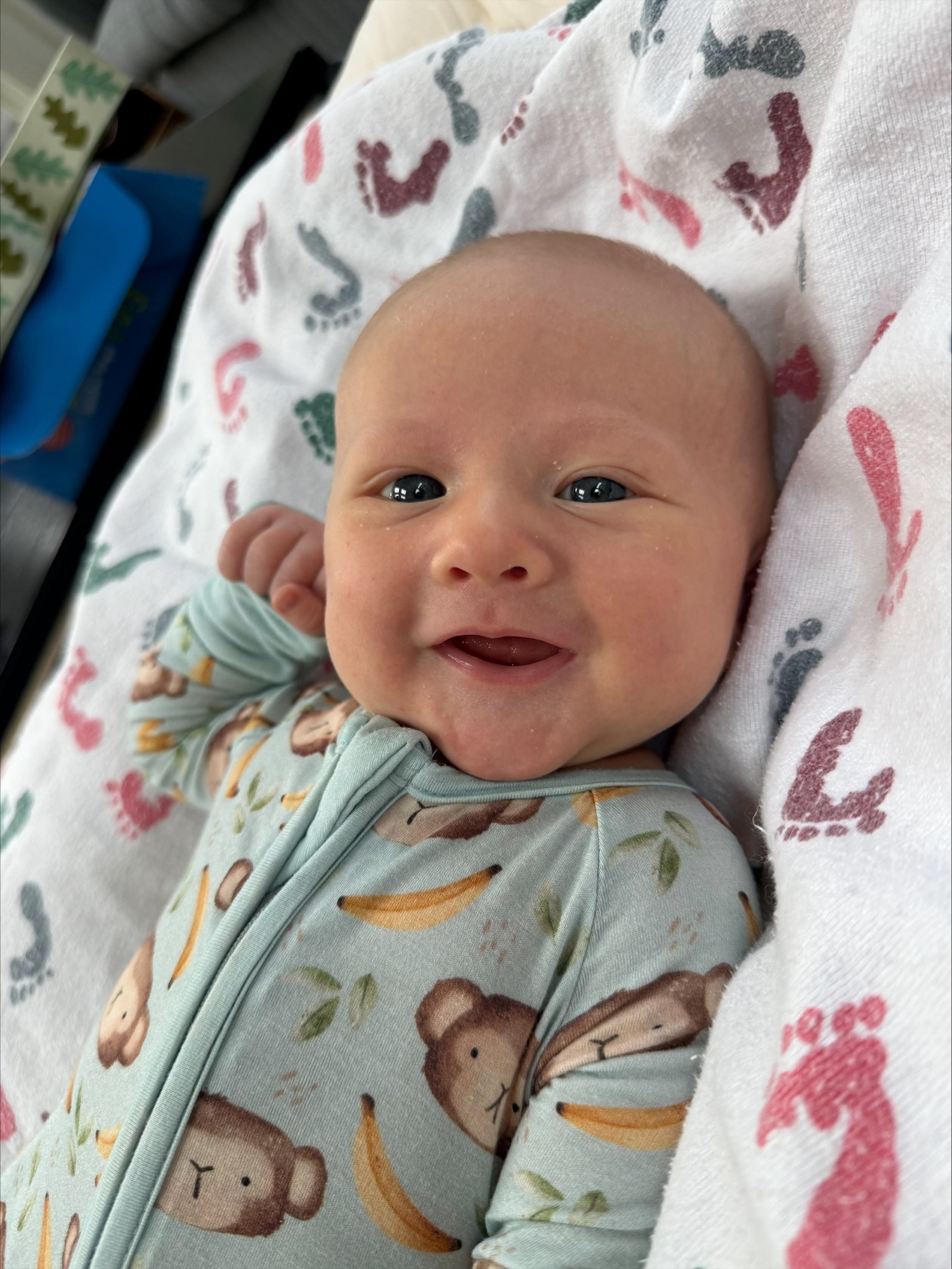
Alexis was born July 11, 2015. The microscopic reversal was performed by Dr. McHugh approximately one year ago. Congratulations to the happy couple who were kind enough to drop by the office to show off their family’s new addition.



 Vasectomy Reversal